
Greenline vs Ghostfolio
One is open-source and self-hosted. One is ready to go.
Ghostfolio is an open-source portfolio tracker that you can self-host using Docker or use through their hosted cloud service. It’s privacy-focused, supports manual entry and file imports, and has an active community of contributors. If you’re comfortable with technical setup, Ghostfolio gives you full control over your data.
| Feature | Greenline | Ghostfolio |
|---|---|---|
| Pricing | Free during beta | Free self-hosted, around $40 per year hosted |
| Setup | Upload statements | Docker self-host or hosted cloud |
| Canadian focus | Yes (TFSA, RRSP, FHSA, RDSP) | No (global) |
| Fee analysis | Yes | Limited |
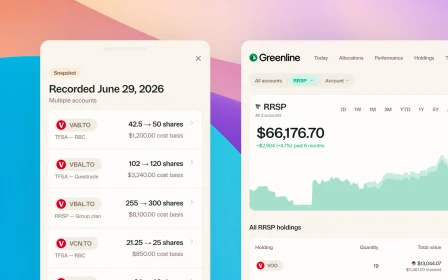
| ACB tracking | Yes (Canadian rules) | Multi-country cost basis |
| Open source | No | Yes |
What does Ghostfolio offer?
Ghostfolio tracks your holdings, performance, and allocation across multiple accounts. You enter transactions manually or import them via file. The self-hosted option means your data never leaves your own server. The hosted cloud version costs around $40 per year.
The project is actively maintained on GitHub, and because it’s open-source, you can inspect the code, contribute features, or modify it to suit your needs.
What are the key differences between Greenline and Ghostfolio?
The biggest difference is the setup experience. Ghostfolio’s self-hosted option requires Docker, a database, and some technical knowledge to get running. If something breaks, you’re the one who fixes it. The hosted version is easier, but you’re still working with a tool built primarily for a technical audience.
Greenline is ready to use from the moment you sign up. No setup, no infrastructure, no command line. You upload your brokerage files and your portfolio is there.
On the data side, Ghostfolio uses manual transaction entry as its primary input method. You type in each buy and sell. Some users find this tedious, especially if you have years of transaction history. Greenline’s file-upload approach lets you import your full history in a couple of minutes by uploading the exports your brokerage already provides.
Ghostfolio is also a global product. It doesn’t have specific support for Canadian brokerages, account types, or tax rules.
When is Ghostfolio a better fit?
If you want complete control over your data and infrastructure, Ghostfolio’s self-hosted model is hard to beat. Your data lives on your own server, and you can see exactly what the code does with it. For developers and privacy-conscious technical users, that’s a genuine advantage.
Ghostfolio’s open-source nature also means you can add features yourself or contribute to the project. If you enjoy that kind of involvement, it’s a rewarding option.
How is Greenline different?
Greenline is built for investors who want answers, not a project to maintain. The focus is on making portfolio tracking simple and useful without requiring technical knowledge.
Greenline’s brokerage-specific parsers understand Canadian export formats. You upload a file from Wealthsimple, Questrade, RBC, or TD, and it just works. No manual transaction entry needed.
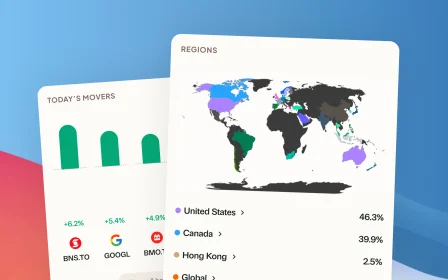
On the analysis side, Greenline is designed around Canadian investing. Registered account types, adjusted cost base tracking, fee analysis, and holdings breakdowns are all built with Canadian investors in mind.
Which one should you choose?
Ghostfolio is a great option for technical users who want full control and are comfortable self-hosting. If you’d rather skip the setup and get straight to understanding your portfolio, especially as a Canadian investor, Greenline is built for that.
Related reading

Best way to track your portfolio in Canada

Do you even need a portfolio tracker?

What to look for in a portfolio tracker
Best way to track your portfolio in Canada
We built a portfolio tracker, so we're biased. But here's an honest look at every approach: spreadsheets, brokerage tools, bank-linked apps, and more.
Do you even need a portfolio tracker?
What to look for in a portfolio tracker
See your full financial picture in one view.
See your full portfolioFree during Beta. Early Members will be offered better rates than new users when we launch paid plans.